Cargo exposure travels through the conflict
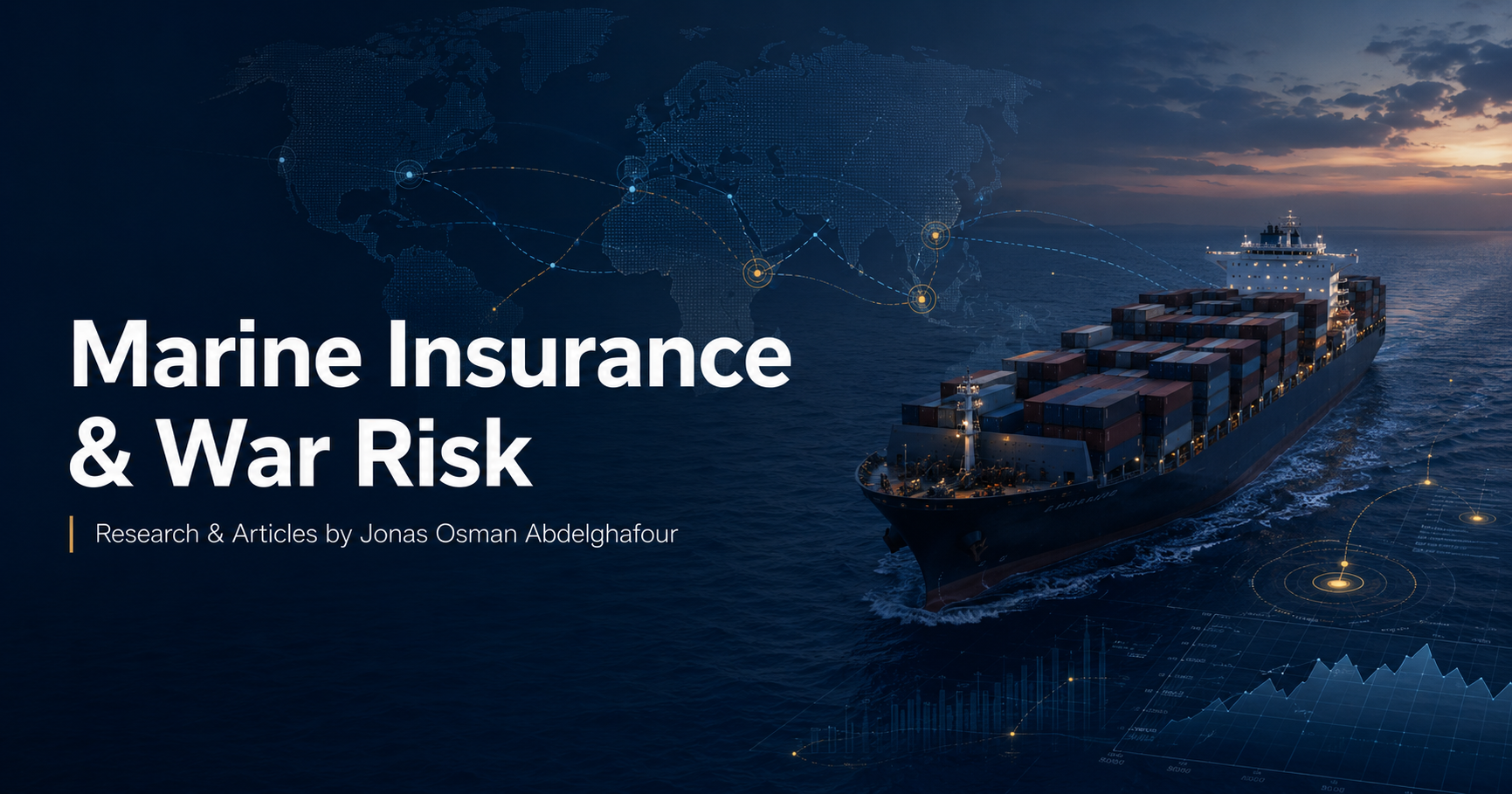
A ship attack naturally attracts attention to the vessel, but the economic value at risk often extends far beyond the hull. Containers, energy cargoes, commodities, project cargo and stock in transit can create large concentrations that move through the same ports and chokepoints. For cargo insurers, war risk is therefore a portfolio and supply-chain problem as much as a casualty problem.
Delay can become an economic loss amplifier
The maritime security environment deteriorated again in the week to 12 August 2026. Reuters reported that the Egyptian-owned Tihamah was attacked in the Bab el-Mandeb on 11 August, killing four crew members and two rescuers, while the United States separately disabled the Vela Nova in the Gulf of Oman. On 12 August, Reuters reported that Saudi crude exports from the Red Sea were increasingly being conducted without visible AIS tracking as operators sought to reduce exposure to attack threats, while war-risk insurance costs had risen and routing patterns were changing. The IMO had already recorded 62 confirmed Middle East maritime incidents and 17 confirmed seafarer fatalities by 27 July. Allianz Commercial estimated that, as of 15 June, vessels and cargo in Persian Gulf waters represented about US\$125 billion of combined value.
Accumulation is the hidden cargo problem
Rerouting can lengthen transit times and alter the period during which goods remain exposed. Port closures or congestion can concentrate cargo in terminals or anchorages. A damaged vessel can strand high-value goods even when the cargo itself is not immediately destroyed. Where production depends on time-sensitive components, a maritime disruption can also create wider business consequences outside the marine policy itself.
How Quantica Marine supports cargo decisions
The accumulation issue is especially important. A cargo book may look diversified by insured, commodity or policy, yet many risks may depend on the same corridor, transshipment hub or regional infrastructure. The insurer therefore needs to ask not only 'what is on this ship?' but 'what portion of our portfolio is dependent on this maritime system?'.
A broader view of cargo war risk
Quantica Marine can support cargo underwriters and exposure managers by adding structured geopolitical and route-risk intelligence to the underwriting process. The value proposition includes voyage assessment, portfolio monitoring, scenario analysis and identification of concentrations that deserve additional review. For pricing teams, this creates a clearer bridge between changing conditions and the technical discussion around additional premium and risk selection.
Quantica Marine call to action
Marine war risk is dynamic. Quantica Marine helps insurers and reinsurers translate changing maritime and geopolitical conditions into decision-useful analytics for underwriting, pricing, accumulation management, portfolio monitoring and scenario analysis. Request a demonstration of the Quantica Marine War-Risk Pricing Engine.
Sources
- Reuters, 11 Aug 2026 - Four crew, two rescuers killed in Red Sea attack; US strikes ship in Gulf of Oman
- Reuters, 12 Aug 2026 - Saudi Red Sea oil exports go dark as Houthi attack threat grows
- Reuters, 12 Aug 2026 - Oil spill from grounded tanker reaches Oman coastline
- IMO - Middle East highlighted confirmed incidents, status at 27 Jul 2026
- Allianz Commercial - Safety and Shipping Review 2026
Quantica Marine Insurance AB is under construction and not yet licensed to conduct insurance business. This article is analysis and marketing information, not underwriting, legal or investment advice.